
"Arab countries"
1000 article(s) found

Ecuadorian boutique coffee may be the highest Arab coffee grower in the world.
Probably the highest Arabica coffee grower in the world. The Arabian Coffee Tree was first introduced to Ecuador (Ecuador) in 1952 and its coffee is of good quality, especially the coffee harvested in early June. Ecuadorian coffee beans can be divided into two varieties: Galapagos and Gigante, both of which have the characteristics of large granules and heavy weight. Ecuadorian coffee can be made according to quality.
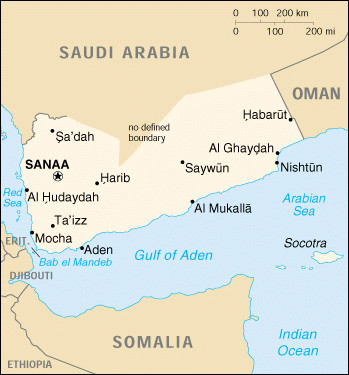
Brief introduction of mocha coffee in Yemen brief history of YemeniCoffee coffee varieties of Yemeni coffee
Professional barista communication Please pay attention to the coffee workshop (Wechat official account cafe_style) more than 1500 years ago, coffee trees were introduced to Yemen on the other side of the Red Sea, thus embarking on a journey of coffee beans around the world. Yemeni coffee is exported from the port of Mocha (now silted and abandoned) to all parts of the world (mainly sold to Europe through Turkey), so Yemeni coffee is named after the port of export.

The difference between mocha beans, mocha pot and mocha coffee, a brief introduction to Yemen mocha coffee
For professional baristas, please pay attention to the difference between mocha beans, mocha pots and mocha coffee in the coffee workshop (Wechat official account cafe_style). A brief introduction to mocha coffee in Yemen more than 1500 years ago, coffee trees were introduced to Yemen on the other side of the Red Sea, thus starting a journey of coffee beans around the world. Yemeni coffee is exported from the port of Mocha (now silted and abandoned) to all parts of the world.

Yemeni Coffee-the vanishing Arab Wild
Although Ethiopia is the birthplace of Arabica, the first coffee that Europeans drank from the end of the 17th century to the beginning of the 18th century came from Yemen. At that time, all African or Arabian coffee was exported from the port of Mocha, so that Mocha became synonymous with coffee, while Harald, the capital of the city walls, became a supporting role. However, three hundred years later, Yemeni coffee is no longer what it used to be.

Coffee Culture around the World Ancient Arabian Coffee Culture
When Europeans first came into contact with coffee, they called the seductive drink Arabian wine, and when conservative Catholics cursed coffee as the devil's drink, they never thought of what a precious thing they inherited from the pagans. As the first region in the world to drink and produce coffee, Arab coffee culture is like it.

Arab wildness in the disappearance of Yemeni Coffee
Although Ethiopia is the birthplace of Arabica, the first coffee that Europeans drank from the end of the 17th century to the beginning of the 18th century came from Yemen. At that time, all African or Arabian coffee was exported from the port of Mocha, so that Mocha became synonymous with coffee, while Harald, the capital of the city walls, became a supporting role. However, three hundred years later, Yemeni coffee is no longer what it used to be.

The Development of Coffee and the Promotion of Arabia, China and Turkey
The dietary use, cultivation and development of coffee in the Arab region are also related to Zheng he's voyages to the West in the early Ming Dynasty.

The spread of coffee history
Ethiopia (7th-9th century) Arab States (Yemen) Nataka, India (1600) Ceylon (1658 Netherlands) Java (16901696 Netherlands) Amsterdam (Netherlands 1706-1710) Versailles (France around 1713) and Suriname Caribbean island countries and Guyana and Brazil Guatemala Hawaii (United States 1892 and 1825) Arab States Yemeni French Bourbon 1

The spread History of Coffee Culture Fine Coffee in the World
Ethiopia (7th-9th century) Arab States (Yemen) Nataka, India (1600) Ceylon (1658 Netherlands) Java (16901696 Netherlands) Amsterdam (Netherlands 1706-1710) Versailles (France around 1713) and Suriname Caribbean island countries and Guyana and Brazil Guatemala Hawaii (United States 1892 and 1825) Arab States Yemeni French Bourbon 1

Introduction to Coffee the spread History of Coffee
Ethiopia (7th-9th century) Arab States (Yemen) Nataka, India (1600) Ceylon (1658 Netherlands) Java (16901696 Netherlands) Amsterdam (Netherlands 1706-1710) Versailles (France around 1713) and Suriname Caribbean island countries and Guyana and Brazil Guatemala Hawaii (United States 1892 and 1825) Arab States Yemeni French Bourbon 1
The Development of Coffee Historical Communication Historical Coffee Culture
Ethiopia (7th-9th century) Arab States (Yemen) Nataka, India (1600) Ceylon (1658 Netherlands) Java (16901696 Netherlands) Amsterdam (Netherlands 1706-1710) Versailles (France around 1713) and Suriname Caribbean island countries and Guyana and Brazil Guatemala Hawaii (United States 1892 and 1825) Arab States Yemen French Bourbon Island 19

How was coffee introduced into Arabia? Arab Coffee Culture
How was coffee introduced into Arabia? European historians argue that as early as 800 years ago, there were artificial coffee trees for trade in Yemen in the southern Arabian Peninsula, and there was historical evidence that at that time, there was indeed trade across the Red Sea between Yemen and Ethiopia. Based on this, it is speculated that if the use of coffee is made by Ethiopia

How is Yemeni coffee processed? What are the brands of Yemeni coffee?
Professional coffee knowledge exchange more coffee bean information please follow the coffee workshop (Wechat official account cafe_style) We now talk about the little knowledge of Yemeni coffee ~ coffee processing dry treatment. It is common for fresh coffee fruits to be dried on the roof. in addition, the older treatment includes branch drying, that is, leaving the coffee fruit on the branch and waiting for it to be naturally dried before picking. Coffee

Coffee dissemination chronology
Arab (eleventh century) Egypt, Syria (13th century) Damascus (16th century) Europe (17th century) the earliest people who planned to grow and eat coffee were Arabs. At the beginning of the eleventh century, people in the Arab region boiled coffee into soup or dried it and then boiled it as stomach medicine. Because of the strict Muslim precepts and forbidden to drink alcohol, Muslims

Why do foreigners like drinking coffee? This paper briefly introduces the origin and development history of foreign coffee.
The earliest coffee beans originated in Ethiopia. In 525 AD, Ethiopian troops invaded Yemen, and coffee beans were brought to Yemen by soldiers. According to records, coffee trees began to be planted in Yemen in 575 AD. Later, coffee beans were also brought to Egypt by Sudanese black slaves who were shipped to Egypt. After coffee was introduced into the Arab world, it was first used as a herb by Arabs to treat biases.
Coffee, a wonderful drink popular in the world.
The word coffee originated in the African Ethiopian town of Kafa, which grew the world's first coffee tree. Coffee, tea and cocoa are called the three largest non-alcoholic beverages in the world. Coffee first appeared around the 8th century BC, but coffee was recorded in the works of the ancient Greek poet Homer and in ancient Arab legends. Coffee was recorded as

When did coffee shops begin to develop?
Obviously, the history of coffee development is inextricably linked with Arab countries. Since Islamic law prohibits drinking alcohol, coffee will easily become popular in Arab countries that believe in Islam. Coffee houses also replaced bars. The earliest coffee shops were called Kaveh Kanes, which were built in Mecca. Its original purpose was religious, but soon these places

Coffee Culture Ancient Arabian Coffee Culture
When Europeans first came into contact with coffee, they called the seductive drink Arabian wine, and when conservative Catholics cursed coffee as the devil's drink, they never thought of what a precious thing they inherited from the pagans. As the first region in the world to drink and produce coffee, Arab coffee culture is like it.

What are the different coffee cultures around the world? How do people all over the world drink?
People in Arab countries like to drink small cups of sweet coffee. Second, at breakfast in France, the French like to drink coffee in a bowl and make a fragrance with chicory roots. The French generally prefer lighter coffee than the Italians. This kind of coffee is generally made from moderately roasted and coarsely ground coffee beans by soaking. III. The Netherlands

Coffee Culture Ancient Arabian Coffee Culture
When Europeans first came into contact with coffee, they called the seductive drink Arabian wine, and when conservative Catholics cursed coffee as the devil's drink, they never thought of what a precious thing they inherited from the pagans. As the first region in the world to drink and produce coffee, Arab coffee culture is like it.